
A well-designed study room can completely transform how you learn, work, and focus. When your surroundings feel comfortable and inspiring, productivity naturally improves and long study hours feel less draining.

This guide explores practical and creative study room decor ideas that balance style, comfort, and function, helping you design a space that truly supports your daily goals.
Recommended Items to Buy
- study desk
- ergonomic chair
- desk lamp
- wall shelves
- storage organizer
How a Well-Designed Study Room Improves Focus
A study room is more than just furniture and walls. It’s an environment that shapes habits, concentration, and motivation. The right decor reduces distractions, supports posture, improves lighting, and creates a sense of order. When decor choices are intentional, studying feels less like a chore and more like a routine you enjoy. From lighting and layout to color and storage, each element plays a role in making the space effective. A thoughtfully decorated study room also adapts to different needs, whether reading, writing, or working on a computer.
15 Study Room Decor
1. Minimalist Study Desk Setup
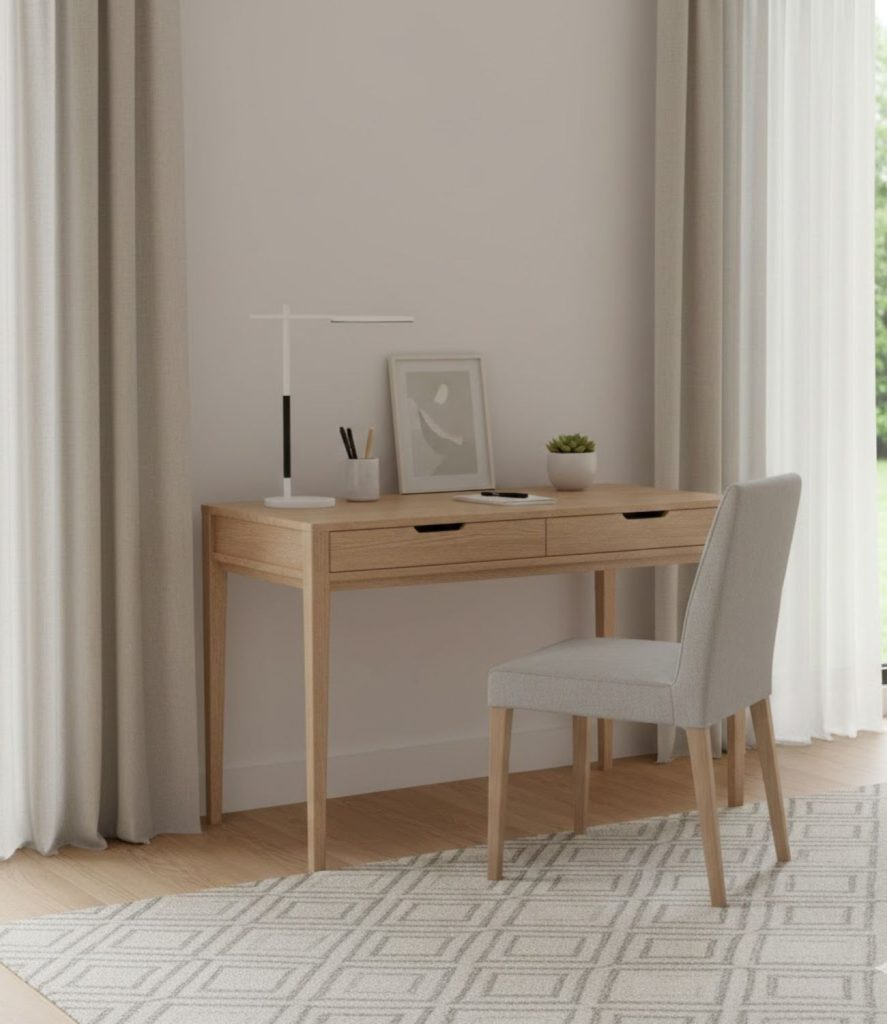
A minimalist study desk setup focuses on clarity and purpose. Start with a simple desk design and limit items on the surface to essentials only. This reduces visual clutter and helps your mind stay organized. Neutral colors like white, beige, or light wood work best for this setup. Storage drawers or hidden organizers keep supplies out of sight while remaining accessible. A minimalist desk creates a calm environment that supports deep focus and reduces mental fatigue. This decor style is ideal for students who get distracted easily and professionals who need a clean workspace.
2. Ergonomic Chair for Comfort and Health

An ergonomic chair is one of the most important elements of study room decor. It supports your posture, reduces back strain, and allows you to sit comfortably for long periods. Choose a chair with adjustable height, back support, and breathable material. A comfortable chair improves concentration because physical discomfort no longer interrupts your focus. Pairing the chair with a desk at the correct height further enhances productivity. While often overlooked, this decor choice directly affects health and study efficiency.
3. Proper Lighting for Study Focus

Lighting can make or break a study room. Natural light is ideal during the day, so place your desk near a window if possible. For evenings, a desk lamp with warm yet bright light prevents eye strain. Overhead lighting should be soft and evenly distributed. Avoid harsh or dim lights that cause fatigue. Layered lighting, including desk lamps and ambient lights, creates balance. Good lighting keeps you alert, improves reading clarity, and makes the room feel welcoming rather than tiring.
4. Wall Shelves for Organized Storage

Wall shelves add both storage and style to a study room. They help keep books, files, and decor off the desk, creating more working space. Arrange shelves at eye level for easy access. Mixing functional items with small decorative pieces keeps the shelves visually appealing. Wall shelves are especially useful in small study rooms where floor space is limited. They help maintain organization, which directly improves focus and efficiency during study sessions.
5. Calm Color Palette for Better Concentration

Color has a strong psychological impact on focus. Soft shades like light blue, green, beige, or gray create a calming atmosphere. These colors reduce stress and help maintain attention. Avoid overly bright or dark colors that can feel overwhelming. A balanced color palette makes the study room feel cohesive and comfortable. Adding color through walls, accessories, or furniture ensures the room feels lively without being distracting. Calm colors support longer, more productive study sessions.
6. Study Room Layout That Maximizes Space

A functional layout ensures smooth movement and easy access to essentials. Place the desk where distractions are minimal and storage is within reach. Keep walkways clear and avoid overcrowding the room with furniture. A well-planned layout makes even small study rooms feel spacious. Positioning furniture thoughtfully improves comfort and efficiency. This decor approach focuses on practicality, making the room easier to use daily without unnecessary frustration.
7. Personal Touches for Motivation

Adding personal touches makes the study room feel inviting. Items like photos, artwork, or meaningful objects create emotional comfort. These elements remind you why you’re studying and keep motivation high. However, moderation is key. Too many personal items can become distracting. Select a few meaningful pieces and display them neatly. Personal decor helps build a connection with the space, making it a place you enjoy spending time in.
8. Storage Solutions for a Clutter-Free Room

Effective storage keeps the study room tidy and functional. Use drawers, bins, cabinets, or organizers to store supplies. Labeling storage helps you find items quickly. A clutter-free room reduces stress and saves time. When everything has a designated place, maintaining organization becomes easier. Storage-focused decor ensures your study room always feels ready for work, supporting a productive mindset.
9. Desk Accessories That Enhance Productivity
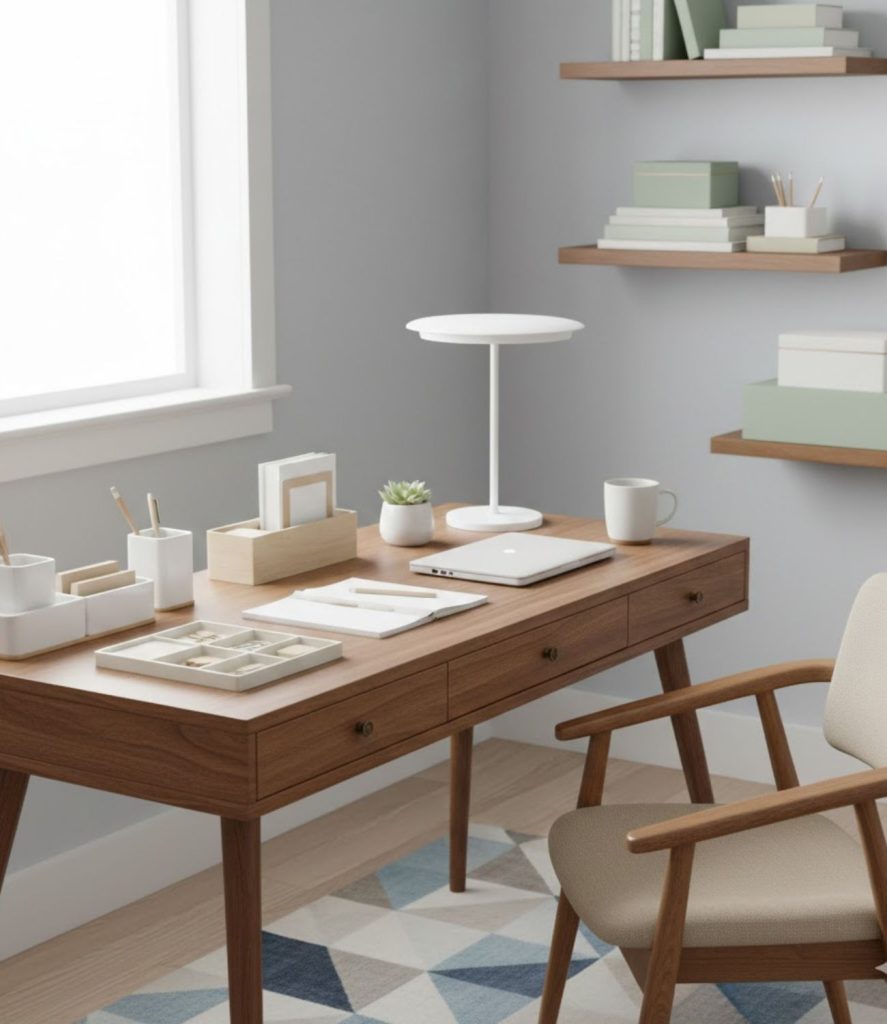
Desk accessories like organizers, pen holders, and trays improve efficiency. Choose accessories that match the room’s color scheme for a cohesive look. Keep frequently used items within reach. Well-chosen accessories reduce desk mess and make tasks smoother. Functional decor like this blends usefulness with aesthetics, ensuring the desk remains both practical and visually pleasing.
10. Noise Control for Better Focus
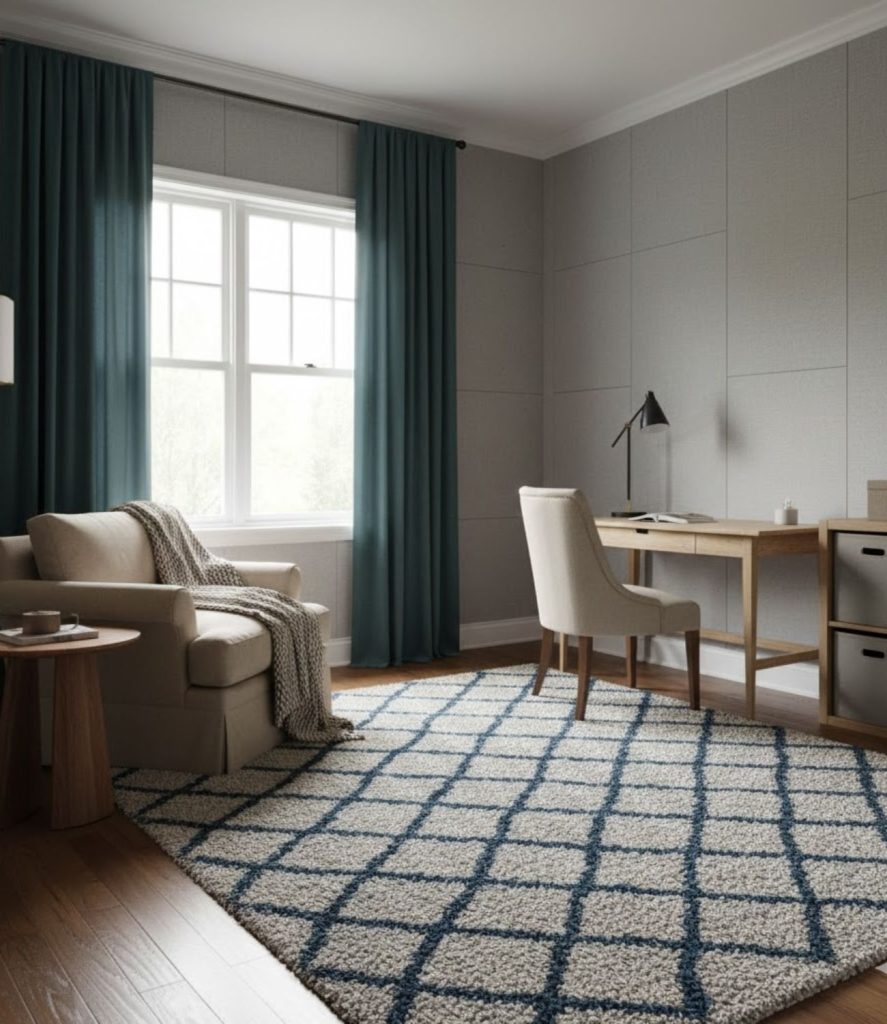
Noise can severely impact concentration. Decor choices like rugs, curtains, and upholstered furniture help absorb sound. These elements reduce echo and external noise, creating a quieter environment. If your study room is near busy areas, sound-absorbing decor becomes especially important. A quieter room helps maintain focus, improves comprehension, and reduces mental fatigue during long study sessions.
11. Multi-Functional Furniture for Flexibility

Multi-functional furniture maximizes efficiency. Desks with storage, foldable tables, or shelves with integrated seating save space. This type of decor is perfect for small rooms or shared spaces. Multi-functional furniture adapts to changing needs, making the study room versatile. It ensures the space remains practical without sacrificing style or comfort.
12. Study Room Decor for Small Spaces
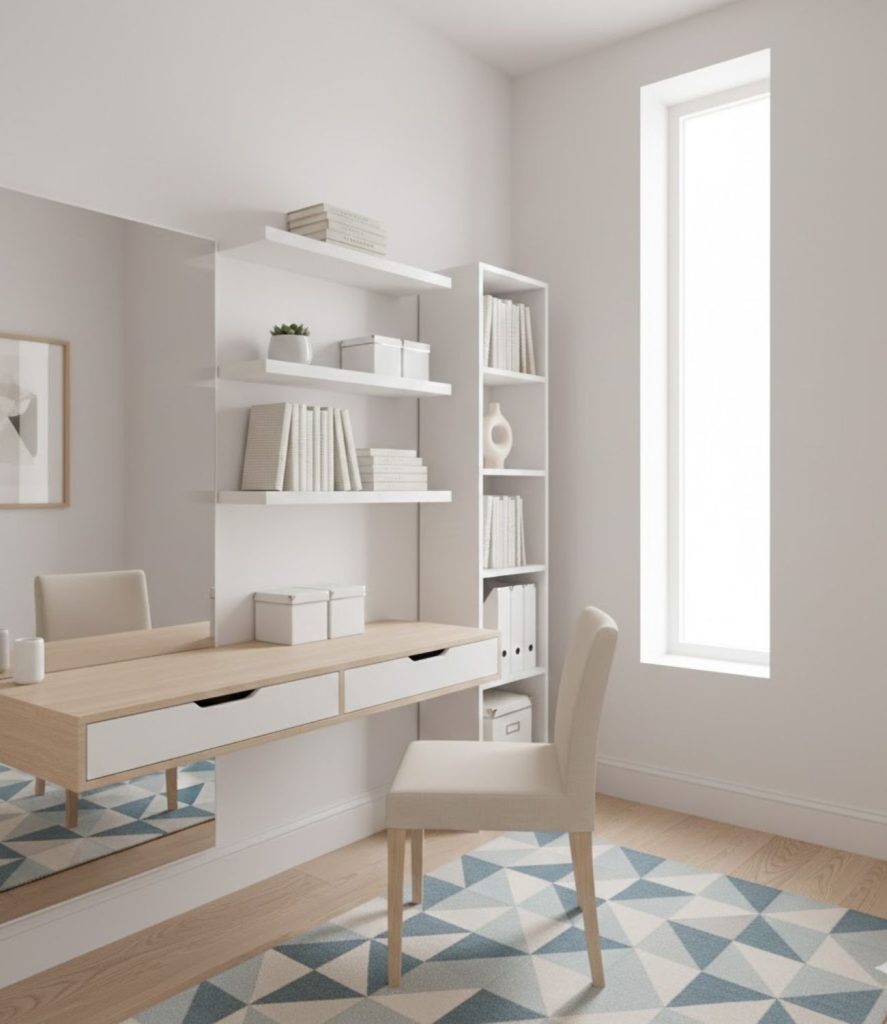
Small study rooms require smart decor choices. Light colors, compact furniture, and vertical storage help maximize space. Mirrors can make the room feel larger. Keep decor minimal and functional. A small study room can still feel comfortable and inspiring with the right design. Thoughtful decor prevents the space from feeling cramped or overwhelming.
13. Greenery for a Fresh Atmosphere

Plants add life and freshness to a study room. They improve air quality and create a calming environment. Choose low-maintenance plants that thrive indoors. Place them on shelves, desks, or window sills. Greenery softens the room’s appearance and adds natural beauty. This decor element supports relaxation and focus, making study sessions more pleasant.
14. Cable Management for a Clean Look

Managing cables keeps the study room neat and safe. Use clips, covers, or boxes to hide wires. A clutter-free floor and desk improve movement and reduce distractions. Cable management is a small decor detail that makes a big difference. It enhances both the appearance and functionality of the space.
15. Balanced Decor for Long-Term Use

A balanced approach ensures the study room remains functional over time. Avoid trends that may feel overwhelming later. Choose timeless furniture and neutral decor, then update accents as needed. Balanced decor supports consistency and comfort. This approach allows the room to grow with your needs while maintaining a productive atmosphere.
Frequently Asked Questions
What is the most important element in study room decor?
Comfort and lighting are the most important factors for focus and productivity.
How can I decorate a study room on a budget?
Focus on organization, lighting, and minimal decor while using affordable storage solutions.
Which colors are best for a study room?
Soft and neutral colors like white, beige, blue, and green work best.
How do I keep my study room organized?
Use storage solutions and clean the space regularly to prevent clutter.
Can decor really improve study performance?
Yes, a well-designed environment reduces distractions and supports better focus.
Final Words
A thoughtfully decorated study room supports concentration, comfort, and motivation. Every decor choice, from lighting to layout, contributes to how effectively you work or study.
By creating a balanced and organized space, your study room becomes more than just a room—it becomes a place where focus and productivity naturally thrive.